ESTD

Bringing Research to Practice: Developing Denmark’s First Clinical Guideline for Psychological Treatment of PTSD and Complex PTSD

EVOLUTION OF THE 4TH REVISIONS OF THE ISSTD TREATMENT GUIDELINES

🗓 Date: 11th March
⏰ Time: 7 PM CET
📍 Free Online Event

Title: Bringing Research to Practice: Developing Denmark’s First Clinical Guideline for Psychological Treatment of PTSD and Complex PTSD

Posttraumatic Stress Disorder (PTSD) and Complex PTSD (C-PTSD) can leave lasting marks on people’s lives — often leading to chronic symptoms, reduced social functioning, and significant suffering. While we have effective, evidence-based psychological treatments, too many patients still don’t receive them in everyday clinical practice. Bridging this research–practice gap is essential.

To address this need, our research group set out to develop the first Danish clinical guideline for the psychological treatment of PTSD and C-PTSD in adult outpatient settings. The guideline was developed through close collaboration between researchers and clinicians, using state-of-the-art methodologies, including systematic reviews and meta-analyses, to answer five key clinical questions:

  1. When treating adults with PTSD, should trauma-focused psychotherapy for PTSD include exposure?

  2. Which psychotherapies are effective for PTSD with co-occurring personality disorder?

  3. Which psychotherapies are effective for PTSD with co-occurring depression?

  4. Which psychotherapies are effective for PTSD with co-occurring dissociative disorder?

  5. Which psychotherapies are effective for Complex PTSD (C-PTSD)?

In this presentation, I will walk you through the process of developing the guideline — from evidence synthesis to clinical recommendations — and share some of the key takeaways. The aim is to provide clinicians with practical, research-informed guidance to enhance treatment for people living with PTSD and C-PTSD in everyday practice

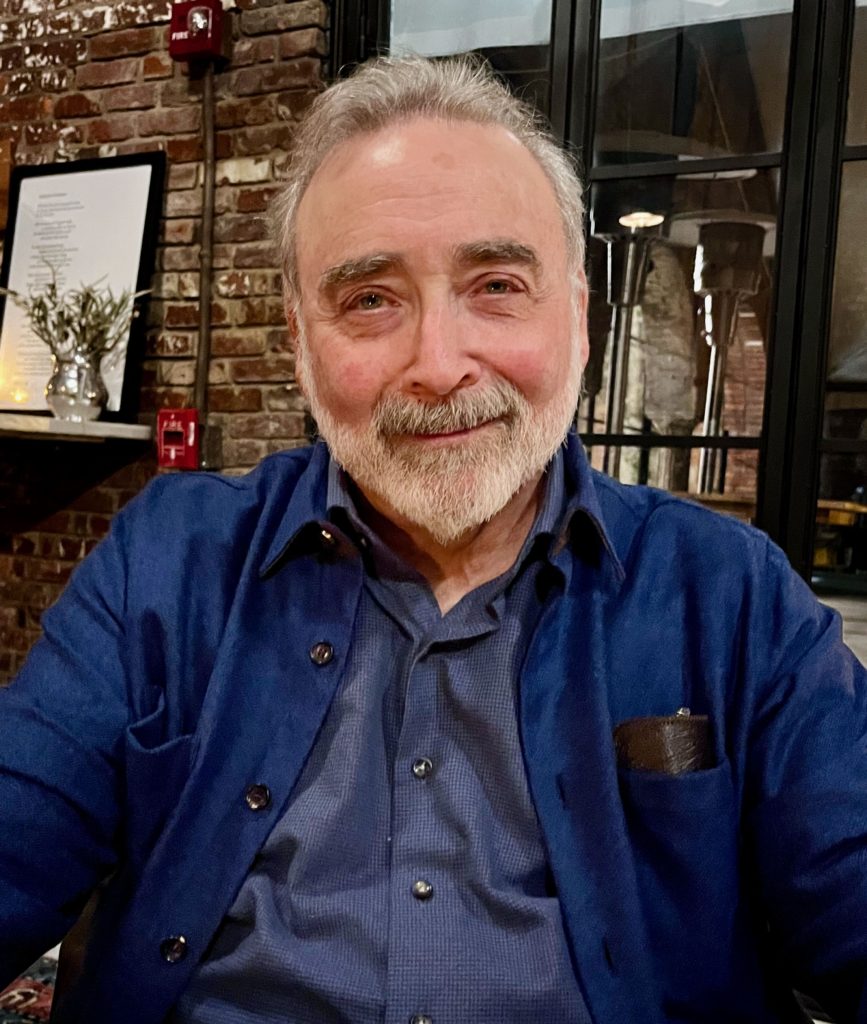
Presenter

Lise Møller, MSc in Psychology, Authorized Clinical Psychologist, PhD
Lise works as a clinical psychologist at the Psychiatric Outpatient Clinic for the Treatment of Self-Harm (BAS), Psychiatric Center Glostrup, where she treats individuals suffering from complex presentations of PTSD and personality disorders. She has many years of experience providing treatment for PTSD within psychiatric settings and has contributed to research in the field. In addition, Lise teaches and provides training on trauma and dissociation for mental health professionals. She is a former board member of the European Society for Trauma and Dissociation (ESTD) and has served on its Scientific Committee.

ABSTRACT – EVOLUTION OF THE 4TH REVISIONS OF THE ISSTD TREATMENT GUIDELINES

The 4th Revision of the ISSTD Treatment Guidelines for DID in Adults (ATG-4) underwent considerable evolution over the years since it was mandated by the ISSTD Executive Committee (EC) in 2020. ATG-4 expanded on the 3rd Edition (ATG-3) that was more like a textbook on dissociation and DID. ATG-3’s structure was based on the idea that most clinicians do not have the clinical/theoretical framework for conceptualizing DID. Without a background in basic concepts about dissociation and DID, discussion of the generally accepted tri-phasic model (phasic trauma treatment – PTT) for DID would make limited sense to the inexperienced reader. The 2020 mandate from the ISSTD EC was to continue and expand that framework. We were tasked with providing the current state of the research data on DID that including phenomenological, epidemiological, neurobiological, and treatment outcome data, among others. We reviewed standards for treatment guidelines and clinical practice guidelines promulgated by the US Institute of Medicine and other professional medical societies. These models are based on the kinds of data generated by studies in internal medicine, surgery, pediatrics, and psychiatry (mood disorders, psychotic disorders, etc.) that are generally well-funded by academic grants. Because of lack of overall research support, much of our field’s research and clinical papers do not meet the rigor required of these sorts of guidelines.

The ISSTD Institute for Advanced Studies is the component of ISSTD that oversees many educational activities including the basic training courses in dissociation, CPTSD, and DD offered by the organization. They strongly urged that a major component of the ATG4 be a comprehensive discussion of the current, generally accepted clinical theory about all phases of DID treatment, as well as more granular aspects of that treatment (e.g., transference/countertransference, therapeutic alliance, establishing the therapy, working with DID self-states, establishing safety, etc.). This led to expanded sections on the most important models for conceptualizing DID: discrete behavioral states theory (DBST) and its relationship to developmental attachment, betrayal-trauma theory, affect theory, and data on the unique psychological organization of DID patients, among others. Other etiological theories of DID are subsumed under DBST and are not based on developmental data. They are generally organized around “reverse engineering” of the descriptions of adults (typically White, Western females) in treatment.

Also, there was general agreement that foundations of DID treatment required understanding the basics of psychodynamic theory and its applications to such treatment. The other foundational knowledge base for DID treatment is a sophisticated understanding of hypnotizability (DID individuals have the highest levels of any clinical group). Typically, there is conflation of “hypnosis” with the clinical setting, rather than understanding it as a patient trait that in DID can be affected by almost any clinical intervention. This trait can be utilized highly effectively in treatment, as well as being a potential liability for decompensation with premature use of trauma-intensive techniques such as EMDR, mindfulness meditation, and uncovering psychotherapy or hypnotherapy that “opens up” the patient. Initially, use of hypnotic techniques -formally and informally – should emphasize internal communication, collaboration, coordination, tolerance, and even empathy among DID self-states/systems. Also, hypnotic interventions can assist with crucial symptom management strategies like grounding, containment, past/present separation, etc. but are often of limited utility unless there is a beginning therapeutic alliance with the DID self-states/systems, and, if you will, a beginning therapeutic alliance among the DID self-states/systems themselves. In later stages, hypnosis – formal or informal – can effectively assist structuring and containment of stage 2 trauma work and facilitate work on fusion/integration in stage 3.

Other areas of the ATG-4 discuss psychopharmacology, inpatient treatment, group treatment, family/marital treatment, expressive and rehabilitation therapies, and applications of cognitive and DBT techniques to DID treatment. The consensus is that EMDR is not a treatment for DID, but an ancillary set of techniques that only should be used by clinicians fully educated in all aspects of DID PTT, and not during the stabilization stage. Unmodified EMDR mobilizes the high hypnotizability of the unstabilized DID patient, often with disastrous consequences (major PTSD/dissociative decompensation, self-destructive behavior, suicide attempts, etc.) that frequently necessitate inpatient stabilization or similar intensive interventions.

As the project evolved, it became a book-length document that we are now seeking to publish as a free-standing volume. This talk will emphasize a few of these areas but cannot provide a comprehensive discussion.

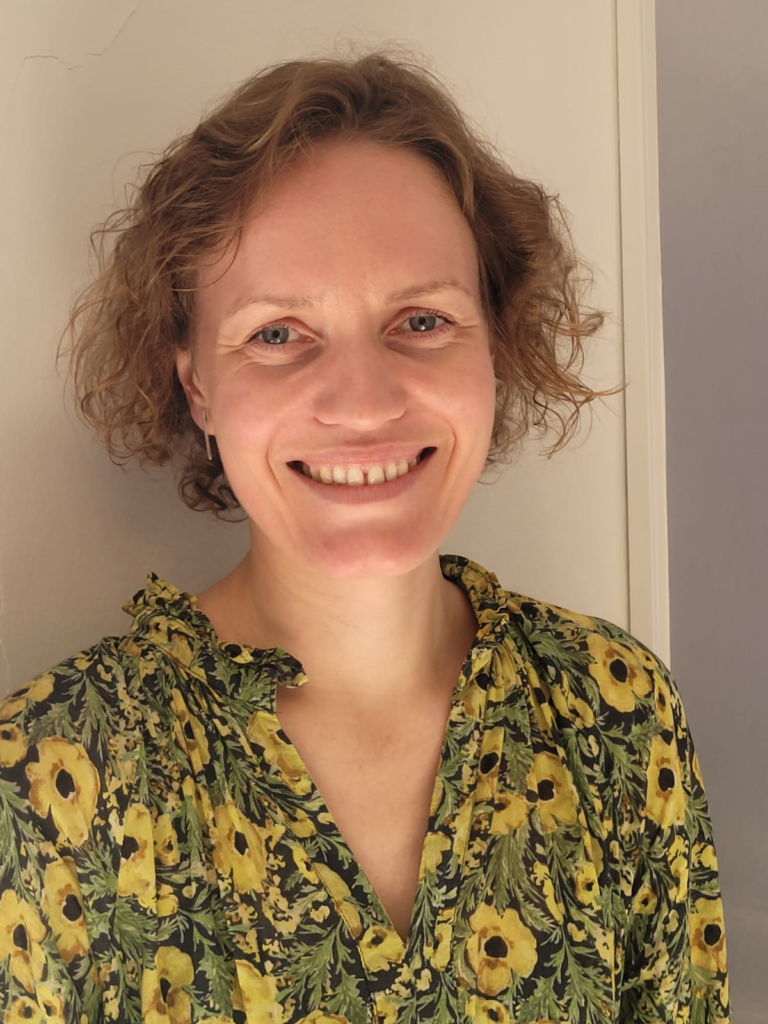
Presenter

Richard J. Loewenstein M.D. is Adjunct Professor in the Department of Psychiatry, University of Maryland School of Medicine, Baltimore, MD. He is the founder of, and from 1987-2020 was the Medical Director of The Trauma Disorders Program at Sheppard Pratt, Baltimore, MD, a national referral center for severely traumatized patients. He has been rated by U.S. News and World Report as among America’s top 1 % of psychiatrists, and among America’s Top Doctors. He graduated from Yale University School of Medicine, New Haven, CT in 1975. From 1975-79 he did a psychiatric residency/postdoctoral fellowship, also at Yale University. From 1980-82, he did a research fellowship at the National Institute of Mental Health in Bethesda, MD. There, he was based in the Sleep Lab and assisted in developing a research Consultation-Liaison Psychiatry program. He is the author of over 100 papers and book chapters on dissociation, dissociative disorders, trauma disorders, dementia, delirium, somatic symptom disorders, and consultation-liaison psychiatry. He continues to write and publish in peer-reviewed journals. He is the Section Editor, Dissociative Disorders, of the American Psychiatric Association (APA), DSM-5 Text Revision (DSM-5-TR – 2022). He is co-editor of the 4th Revision of the International Society for the Study of Trauma and Dissociation (ISSTD) Guidelines for Treatment of Dissociative Identity Disorder in Adults. He is the lead author of the Dissociative Disorders chapter in Kaplan & Sadock’s Comprehensive Textbook of Psychiatry (CTP), with the 11th edition (2024), as he has been for many previous editions, He has authored/co-authored chapters on treatment of dissociative disorders in all editions of the APA’s Treatment of Psychiatric Disorders. He is a Distinguished Life Fellow of the APA and has received the Lifetime Achievement Award of the ISSTD. diagnosis?search=dissociative%20amnesia%20treatment&source=search_result&selectedTitle=1~11&usage_type=default&display_rank=1). He is a distinguished life fellow of the APA and has received the Lifetime Achievement Award of the ISSTD. He is an invited member of the Society for Biological Psychiatry. He is co-investigator and senior advisor to the longitudinal Treatment of Patients with Dissociative Disorders (TOP DD) Study; to the Network Study, and the Finding Solid Ground studies of treatment outcome for DID and related disorders

The webinar is intended only for professionally occupied with diagnosis, treatment, research or teaching in the field of trauma, dissociation and disorders related to chronic traumatization.

Please register via GOOGLE FORM

There is no fee - the webinar is free for everyone.

Click Here

In case of any technical or organizational problems, please contact: assistant@estd.org

The recording of this webinar will be available later only for ESTD members.