ESTD

Early dyadic dysregulation as origins for later disorganization/dissociation: Implications for parent-infant and adult psychotherapy

🗓 Date: 21th April
⏰ Time: 6 PM CET
📍 Free Online Event

Decades of research and clinical literature have demonstrated that anomalies in early caregiving and dyadic regulation can have profound and enduring effects on the development of the self and on later capacities for relatedness. Pioneers in the field have integrated attachment theory, developmental psychopathology, and the study of severe traumatization and dissociation to show how early relational disturbances can give rise to disorganization and dissociative processes.

In work with parents and infants, this knowledge challenges us to go beyond a focus on sensitivity and resources. Trauma-related phenomena must be actively considered. As Selma Fraiberg described, these “ghosts in the nursery” can shape caregiving in ways that remain outside awareness yet exert powerful dysregulatory effects. By systematically observing and focusing on dysregulating patterns in parent–infant interaction, clinicians can work online with intergenerational trauma processes and work toward shifts in trauma-related and dissociative responses as they emerge within the dyad.

This perspective is equally relevant in adult psychotherapy. Early experiences of relational dysregulation and disorganization often enter treatment in indirect and unformulated ways, rather than as explicit memories or narratives. Patients may report that “nothing particularly bad happened,” while nonetheless struggling with difficulties in affect regulation, identity, and relationships. These early relational patterns frequently emerge within the therapeutic relationship itself, often in interaction with the effects of later “big-T” traumatic experiences.

The joint task of the patient and the therapist is therefore not on reconstructing early history, but on attending to how dysregulating and disorganizing processes unfold in the here-and-now of the therapeutic encounter. Breaks in mentalizing, shifts into dissociative or objectifying modes of relating and and empty, alien, or overwhelming experiences may shape both the patient’s and the therapist’s participation in the process. Remaining curious and engaged during these moments is a central therapeutic challenge.

Presenter

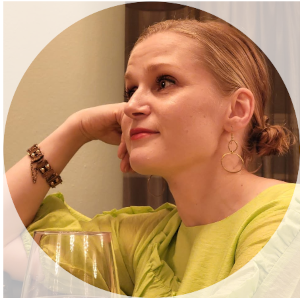
Sanna Isosävi, PhD, is a parent–infant psychotherapist and a relationally oriented integrative psychotherapist working with adults. She works clinically with both adults and expectant parents and infant families, alongside extensive work in professional consultation.

She is the director of Trauma Centre Finland, and her work as a supervisor, trainer, researcher, and author focuses on the developmental and relational impact of complex trauma on caregiving, attachment, and the therapeutic relationship. A central aim of her work is to support professionals in developing collaborative, reflective practices that make it possible to engage with—rather than avoid or dissociate from—the potentially harmful effects of parents’ own trauma histories on parenting and relationships.

The webinar is intended only for professionally occupied with diagnosis, treatment, research or teaching in the field of trauma, dissociation and disorders related to chronic traumatization.

Please register via GOOGLE FORM

There is no fee - the webinar is free for everyone.

Click Here

In case of any technical or organizational problems, please contact: assistant@estd.org

The recording of this webinar will be available later only for ESTD members.